Urgent stain removal cleaning near Bellingham station: fast, practical help when spills can't wait
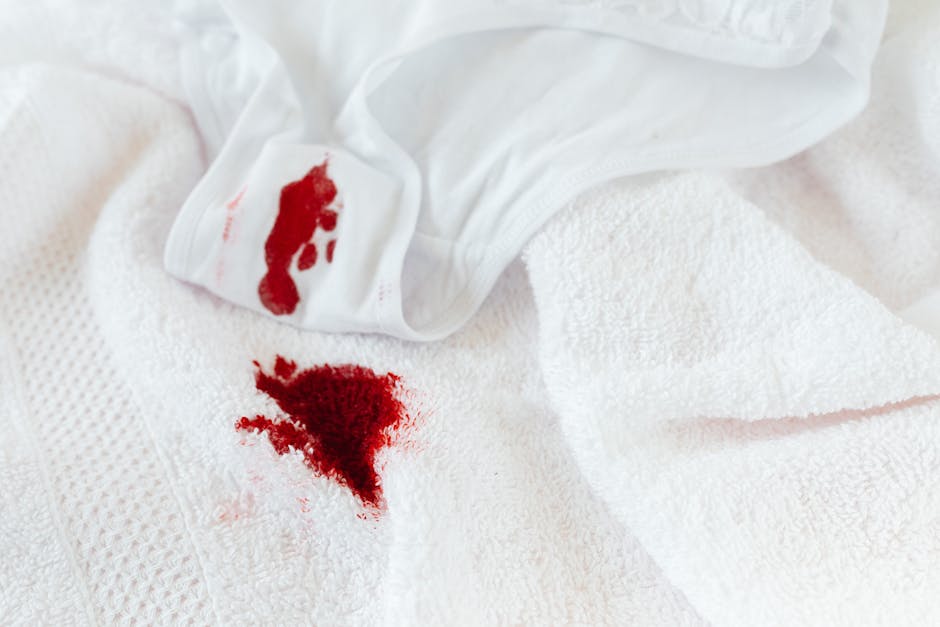
Stains have a habit of arriving at the worst possible time. A coffee spill before work, a red wine mark after dinner, muddy footprints on a rug, or a pet accident just as you were about to leave the house. If you need urgent stain removal cleaning near Bellingham station, speed matters, but so does doing the right thing in the first few minutes. Act too slowly and the stain can settle deeper into carpet fibres, upholstery, or curtains. Panic and scrub too hard, and you can make the mark bigger. Bit annoying, really.
This guide walks you through what urgent stain cleaning actually involves, when it makes sense to call in help, how the process works, and what to do before a cleaner arrives. You'll also find practical advice for common stains, a comparison of methods, a checklist, and a straightforward FAQ. If you want a broader overview of specialist treatments, the site's stain removal service and carpet cleaning options are useful places to compare what is likely to suit the damage.
Table of Contents
- Why urgent stain removal matters
- How the cleaning process works
- Key benefits and practical advantages
- Who this is for and when it makes sense
- Step-by-step guidance
- Expert tips for better results
- Common mistakes to avoid
- Tools, resources and recommendations
- Law, compliance, standards, or best practice
- Options, methods, or comparison table
- Case study or real-world example
- Practical checklist
- Conclusion
- Frequently asked questions
Why Urgent stain removal cleaning near Bellingham station Matters
Urgent stain removal is not just about making a surface look tidy again. It's about preventing long-term damage, reducing odours, and stopping the stain from bonding with the material. Around Bellingham station, many homes and small businesses are dealing with high footfall, takeaways, drinks, pets, or the usual daily rush, so accidents happen. A spill on a hallway carpet may seem minor at 8:00 in the morning, but by lunchtime it can become a permanent shadow if it's left to dry in.
The real issue is that different materials absorb liquids differently. A sealed synthetic carpet may tolerate a quick response quite well, while wool, viscose, cotton upholstery, and natural rugs can behave in a more temperamental way. Some stains also contain dyes, oils, proteins, or acids that react with heat or the wrong cleaner. That is why urgent response is valuable: not because every mark is catastrophic, but because the first hour often decides how easy the job will be.
There's also a practical side. If a stain leaves a smell behind, it can affect the whole room. A small milk spill on a sofa cushion, for example, may not look dramatic, but the odour can linger, especially in warmer rooms. And if you run a business near Bellingham station, first impressions matter. A marked reception carpet or stained waiting room chair can quietly send the wrong signal. Not ideal.
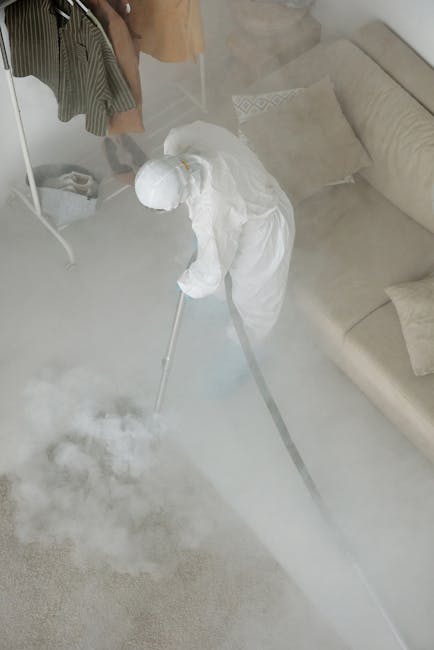
For deeper carpet damage or widespread staining, it may be worth combining urgent spot treatment with a more complete service such as steam carpet cleaning or upholstery cleaning. The right choice depends on the fabric, the stain, and how quickly you can get help.
How Urgent stain removal cleaning near Bellingham station Works
Most urgent stain cleaning follows a sensible sequence: identify the stain, identify the fabric, choose the safest method, treat the stain carefully, and then dry and inspect the area. Simple in theory. In practice, the judgement part matters most.
First, a cleaner will usually look at the stained material and ask what caused it. Coffee, wine, ink, grease, mud, pet urine, cosmetics, paint, and food spills all need different handling. A technician will also consider whether the item is a carpet, rug, sofa, curtain, mattress, or upholstered chair. That distinction matters because one cleaning approach can be harmless on a carpet and risky on a delicate fabric.
Next comes pre-treatment. This is where a suitable solution is applied to break down the stain before extraction or rinsing. For a carpet, that may be followed by controlled hot-water extraction, low-moisture cleaning, or careful blotting depending on the fibre and the stain. On upholstery, the process often needs more restraint because over-wetting can leave water marks, long drying times, or texture changes.
In urgent situations, timing is everything. If the stain is still fresh, a professional can usually work with it before it sets hard. If it has already dried, the process becomes more cautious and may take more than one pass. Sometimes the best result is not instant removal but significant reduction without damaging the material. That's a fair trade if the alternative is making the mark worse.
For pet-related incidents, specialist odour treatment may be needed alongside stain work. The pet stain and odour removal service is especially relevant when the visible mark is only part of the problem. Smell can travel deeper than the eye can see, and that's where experience helps.
Key Benefits and Practical Advantages
The biggest benefit of urgent stain cleaning is simple: you reduce the risk of permanent damage. But there are several other practical advantages that matter just as much in real life.
- Better stain recovery: fresh marks are usually easier to lift than old ones.
- Less spreading: a prompt response helps stop the stain from travelling outward.
- Reduced odours: important for food spills, pet accidents, and anything organic.
- Improved appearance: useful before guests arrive, before a viewing, or before trading hours.
- More fabric-safe treatment: trained cleaners know how to avoid heat damage, colour bleed, and over-wetting.
- Better overall value: a quick intervention can be cheaper than replacing a carpet section, chair, or rug.
There is another benefit people do not always think about: confidence. If you know someone can respond quickly near Bellingham station, you spend less time worrying about what the stain might become. That matters after a late-night spill or a busy morning rush. You get the room back sooner, and life just feels less messy. Literally.
If the stain is on a rug, a softer treatment may be needed to protect dyes and fibres. In that case, rug cleaning can be the more suitable route than a standard carpet approach. The same goes for sofas and armchairs, where fabric type is often the deciding factor.
Who This Is For and When It Makes Sense
Urgent stain removal near Bellingham station is useful for a wide range of people. Some need it because of a one-off accident. Others need it because they manage a property or business and can't leave a visible stain hanging around until next week. Truth be told, the need is often more ordinary than dramatic.
You may need this service if:
- you have just spilled coffee, tea, wine, juice, or food on carpet or upholstery;
- you're dealing with a pet accident and want both the stain and smell addressed;
- you have a guest room, rental property, or landlord inspection coming up;
- you run a cafe, office, shop, or shared space near Bellingham station and need fast turnaround;
- you've tried a home remedy and the stain has started to spread or set;
- you don't want to risk damaging a valuable rug, sofa, or curtain with the wrong product.
It also makes sense when the material is delicate or expensive. A cheap bottle from the cupboard can be surprisingly brutal on natural fibres. If you've ever watched a small stain become a larger pale patch after over-scrubbing, you'll know what I mean. At that point, less is definitely more.
For households with pets, the issue often comes back again and again in the same spots. Near doorways, under tables, along sofa arms, or by a hallway runner, you may need repeat support rather than a one-off fix. A targeted service such as sofa cleaning or upholstery cleaning can be a better fit than general spot cleaning alone.
Step-by-Step Guidance
When a stain happens, the first few minutes are where you can help or hinder the outcome. Here is the practical sequence most people should follow while waiting for professional help, or before deciding whether to tackle a small mark themselves.
- Act quickly, but do not rush blindly. Grab a clean, white cloth or absorbent towel. White is useful because coloured cloths can transfer dye.
- Blot, never rub. Press gently from the outside of the stain inward. Rubbing spreads the mark and frays fibres. It really does.
- Remove solids first. If it's food, mud, or something sticky, lift the excess carefully with a spoon or blunt edge.
- Use the smallest sensible amount of water. Too much liquid can drive the stain deeper. Damp is better than drenched.
- Avoid heat unless you know it's safe. Heat can set protein stains, melt fibres, or lock in dyes.
- Test any cleaner on an unseen area. A tiny patch test can save a lot of grief.
- Stop if the stain starts changing shape. If it spreads, darkens, or turns into a ring, leave it and get specialist advice.
- Improve airflow. Open a window if possible and let the area dry naturally while you wait for treatment.
If a stain is on carpet, the aim is usually to reduce residue without saturating the backing. If it's on a curtain, you may need to avoid pulling or stretching the fabric while it is damp. And on mattresses, the challenge is different again because moisture can linger in layers you can't see. In those cases, the safest next step is often to book a service rather than keep experimenting.
For general fabric-safe treatment details, it helps to understand the broader approach used by a specialist stain removal service. That gives you a sense of what a proper assessment should look like before any solution is applied.
Expert Tips for Better Results
Here's the part where experience saves time. The best urgent stain results usually come from restraint, good identification, and knowing when to stop.
- Identify the stain before treating it. A grease stain needs a different approach from a tannin stain like tea or red wine.
- Work from the edge inward. This keeps the stain from creeping outward into clean areas.
- Use a white towel and light pressure. It's boring advice, but it works.
- Keep solvent use controlled. More product does not mean better cleaning.
- Allow proper drying time. A surface that still feels damp can attract more dirt quickly.
- Consider the fabric, not just the mark. Delicate upholstery can be more vulnerable than the stain itself.
If you're dealing with a family sofa, a rented flat, or office seating, it is often smarter to combine urgent stain treatment with the right fabric-specific care. For example, if the stain sits on a chaise or armchair that gets daily use, a broader clean can stop the surrounding area from looking patchy after spot treatment. That little patchy look is sneaky; it can make a room seem dirtier than it really is.
Another useful tip: don't ignore the smell. A stain that looks small but smells sour or musty usually needs more than a surface wipe. If the issue is biological or has soaked below the top layer, ask for odour-focused treatment rather than cosmetic cleaning only.
Common Mistakes to Avoid
Most stain disasters are not caused by the original spill. They happen afterwards. A few common mistakes can turn a manageable problem into a much bigger one.
- Scrubbing hard: this pushes the stain deeper and damages pile or fabric weave.
- Using bleach or strong household chemicals: these can strip colour or weaken fibres.
- Over-wetting: excess moisture can leave tide marks, backing damage, or long drying times.
- Using heat too early: a hairdryer or hot iron can set the stain.
- Mixing products: one cleaner on top of another can create residue or unsafe reactions.
- Waiting too long to ask for help: fresh stains are much easier to treat than old ones.
A smaller but very common issue is optimism. You try one home remedy, then another, then one more, and by the time you stop, the stain has expanded. Happens all the time. If the fabric matters, or the stain is still visible after the first careful attempt, it's usually worth bringing in professional help rather than "having one last go".
If the mark is on curtains, remember that fabric weight and lining can change how moisture behaves. In those cases, a specialist curtain cleaning approach is safer than a general spray-and-pray method. That phrase should probably not be on a care leaflet, but you get the idea.
Tools, Resources and Recommendations
You don't need a cupboard full of gadgets to handle urgent stains well. A few sensible tools are enough for first response, and the rest should be left to trained cleaning equipment where appropriate.
| Tool or item | What it helps with | Why it matters |
|---|---|---|
| White microfibre cloths | Blotting fresh spills | Reduces dye transfer and helps control moisture |
| Absorbent towel | Lifting liquid from carpet or upholstery | Useful for quick moisture removal |
| Soft brush | Gentle agitation on suitable fibres | Helps loosen residue without harsh scrubbing |
| Clean spray bottle | Applying a light amount of water | Prevents soaking the area |
| Protective gloves | Handling unknown substances | Useful for hygiene and safety |
On the service side, it helps to compare specialist cleaning options if the stain has affected more than one item. A carpet stain may travel into a nearby rug, or a sofa spill may need attention across several cushions. In those cases, you may want to look at steam carpet cleaning, rug cleaning, or sofa cleaning depending on the surface involved.
It is also sensible to check practical service details before booking. The site's pricing and quotes information is a helpful starting point if you want a clearer idea of how a job may be assessed. And if you care about how products and waste are handled, the page on recycling and sustainability can give you a better sense of the company's approach.
Law, Compliance, Standards, or Best Practice
Urgent stain cleaning is usually a practical service rather than a heavily regulated one, but there are still important standards of care to follow. In the UK, the main expectations are around safe working, suitable products, clear communication, and responsible handling of client property. That is not glamorous, but it matters.
For domestic customers, the key issue is avoiding damage and being transparent about what cleaning can and cannot achieve. A trustworthy cleaner should not promise miracle removal for every stain, especially if the item is delicate, heavily dyed, or already damaged. A stain may be reduced rather than fully removed. That's normal, and a honest explanation is better than overpromising.
For commercial settings near Bellingham station, there can also be health and safety considerations. Wet floors, cleaning residues, trip risks, and occupancy timing all need attention. If cleaning is done in an office, retail unit, or shared premises, the team should manage access safely and communicate drying times clearly. For general safe-working expectations, the company's health and safety policy and insurance and safety information are useful trust signals.
It also helps to know what to expect from the service relationship. Terms, payment, and complaint handling should be clear before work begins. That sort of thing sounds dull until you need it. Then it's quite reassuring. If you want to review those details, the relevant pages are terms and conditions, payment and security, and complaints procedure. For wider company background, about us explains more about the business itself.
Options, Methods, or Comparison Table
Not every stain needs the same response. Sometimes a dry or low-moisture approach is better. Sometimes extraction is the safer choice. Sometimes the smartest move is to stop DIY attempts and bring in a specialist immediately. Here's a simple comparison.
| Method | Best for | Advantages | Limits |
|---|---|---|---|
| Blotting and spot treatment | Very fresh minor spills | Fast, low-cost, simple | May not remove set stains or odours |
| Professional stain treatment | Visible marks on carpet, upholstery, rugs, or curtains | Targeted, fabric-aware, safer | Results vary by stain type and material |
| Steam or hot-water cleaning | General soiling plus staining on suitable carpets | Deep clean, good for broader refresh | Not ideal for all fabrics or delicate items |
| Odour-focused treatment | Pet accidents, milk, food, organic spills | Targets smell as well as the mark | May need follow-up if contamination is deep |
If you're unsure which path fits your situation, that's normal. A small coffee ring on a hallway carpet is one thing; a greasy food spill on a pale sofa is another entirely. The cleaner should be able to explain which method is most appropriate and why, in plain English. If they can't, that's a bit of a red flag.
Case Study or Real-World Example
Imagine a common local scenario. It's just after the morning rush near Bellingham station, and someone carrying a takeaway coffee bumps a hallway table. The drink spills across a light carpet runner by the front door. There's a wet patch, a darker circle forming, and a faint coffee smell already starting to rise.
The first response is simple: blot, don't rub, and keep the area from spreading. A cleaner arrives shortly after. They identify the runner as a synthetic blend rather than wool, test a treatment in a hidden area, and pre-treat the coffee mark before extracting the residue carefully. The visible stain softens. A second light pass improves the result. It's not magic. It's just careful work done at the right time.
Now compare that with a delayed response. Same spill, but left until late evening. By then the coffee has dried, the fibres have stiffened, and the stain edge is more obvious. More product might be needed, drying takes longer, and the result may only be partial. That is why urgency matters so much. The difference between "easy-ish" and "why is this still here?" can be a few hours.
For a real household with pets, the story can be even more complicated. A small visible accident on a sofa cushion may come with a deeper odour in the padding. In that case, a service like pet stain odour removal becomes more relevant than a simple surface clean. Two problems, one incident.
Practical Checklist
Use this checklist as soon as a stain happens, or before a cleaner arrives.
- Identify what caused the stain if you can.
- Check the surface type: carpet, rug, upholstery, curtain, or mattress.
- Blot gently with a clean white cloth.
- Do not rub, scrub, or grind the area.
- Avoid heat, bleach, and mixed chemicals.
- Keep children and pets away from the affected area.
- Make a note of any products already used.
- Allow airflow where possible.
- Ask whether the stain also has an odour component.
- Book specialist help if the stain is spreading, setting, or on a delicate fabric.
One small but useful tip: take a quick photo of the stain before any treatment if you're booking a service. It helps explain the problem clearly, especially if you are short on time or dealing with several marks at once. No need to overcomplicate it, just a simple picture.
Get a free quote today and see how much you can save.
Conclusion
Urgent stain removal cleaning near Bellingham station is about more than appearance. It's about quick decisions, the right materials, and sensible treatment before a spill becomes a permanent problem. The best results usually come from acting early, avoiding common mistakes, and choosing a method that suits the fabric rather than forcing one-size-fits-all cleaning onto everything in the room.
If you remember only one thing, let it be this: blot gently, avoid heat, and don't keep experimenting if the stain is already setting. A careful professional response can save time, reduce stress, and protect the item you actually care about. And yes, sometimes the best cleaning job is the one that stops a small mess from becoming a bigger story.
When the day has already gone a bit sideways, a calm, prompt fix is often exactly what you need. That little bit of order back in the room can make the whole place feel better.
Frequently Asked Questions
How quickly should I treat a stain before it becomes permanent?
As quickly as you can, ideally within minutes if possible. Fresh stains are usually easier to lift because they have not fully bonded with the fibres. The first hour is especially important for many common spills.
Can every stain be fully removed?
No, and it's better to be realistic. Some stains leave a shadow, dye transfer, or fibre damage even after treatment. A good cleaner will aim for the best safe result rather than make promises they cannot keep.
Is it safe to use a supermarket stain remover on my sofa?
Not always. Some products can bleach colour, leave residue, or mark delicate fabrics. If the sofa material is unknown or valuable, patch testing and specialist advice are safer.
What should I do first if I spill red wine on carpet?
Blot gently with a clean white cloth and avoid rubbing. Do not pour random products on top of it. The stain type and carpet fibre matter, so if it does not lift quickly, get professional help.
Do pet stains need different treatment from food or drink spills?
Yes. Pet accidents often involve both visible staining and odour deep in the material. In many cases, a specialist pet treatment is more effective than general stain cleaning alone.
How do I know whether I need carpet cleaning or stain removal?
If the issue is one isolated mark, stain removal may be enough. If the area is generally dirty, dull, or affected by several spots, a broader carpet clean may be the better choice.
Will urgent stain removal take a long time?
It depends on the stain, the fabric, and how long it has been there. Fresh spots may be handled quickly, while dried or stubborn stains can need more careful work and extra drying time.
Can I clean a stain on a rug the same way I clean carpet?
Usually not. Rugs can be more delicate, with different dyes, backing, and fibre types. A rug-specific approach is safer, especially for valuable or handmade pieces.
What if the stain is on a mattress?
Mattresses need careful handling because moisture can soak into deeper layers and take longer to dry. If the stain is fresh, blotting helps, but specialist mattress treatment is often the safer option.
How do I avoid making a stain worse while waiting for help?
Keep the area still, blot gently, avoid heat, and do not keep trying new products. If you have already used something, make a note of it so the cleaner knows what they are dealing with.
Is urgent stain removal useful for businesses near Bellingham station?
Very much so. Shops, offices, cafes, and reception areas all benefit from fast stain response because appearance, hygiene, and customer confidence matter. A quick fix often prevents disruption later.
Where can I find more details about service expectations and booking?
You can review the company's pricing and quote guidance and, if you want to understand how the business handles service standards, the terms and conditions page is a sensible next stop.