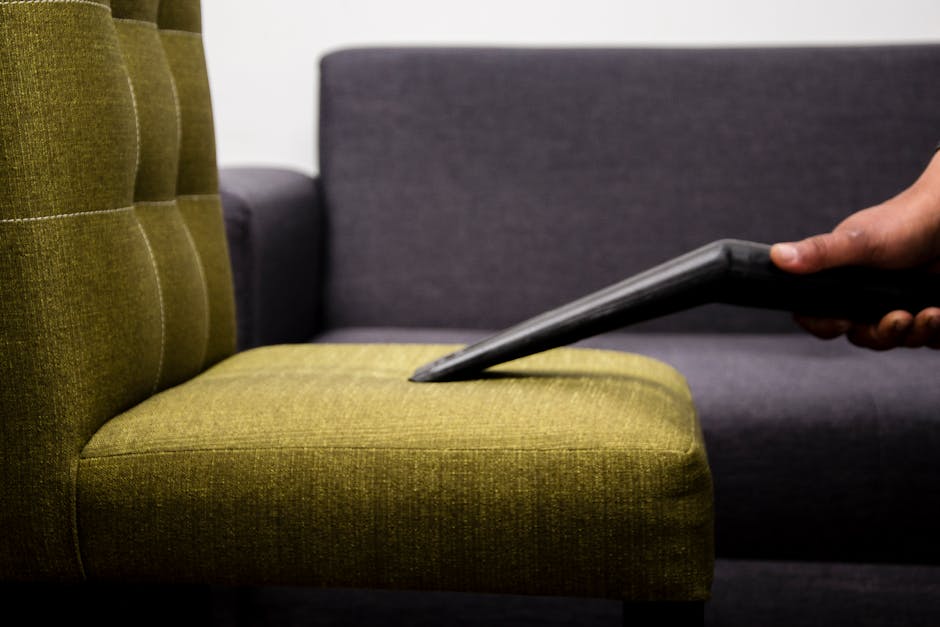
Lewisham Council rules for upholstery cleaning in Bellingham
If you live or work in Bellingham, upholstery cleaning can look simple on the surface. A sofa needs a refresh, a chair has a stain, or a rental property needs to feel presentable again. But once water, detergents, waste water, shared access, and tenant or landlord expectations enter the picture, the job stops being just a quick clean. The Lewisham Council rules for upholstery cleaning in Bellingham matter because they shape how cleaning should be carried out safely, respectfully, and without creating nuisance or avoidable risk.
Truth be told, most people do not start by asking about council rules. They start by asking, "Can this mark come out?" or "Will this dry before tomorrow?" Fair enough. But if you are booking a cleaner, managing a property, or handling the job yourself, a little local awareness goes a long way. In this guide, we explain what those rules usually mean in practice, how they affect upholstery cleaning in Bellingham, and what to look for if you want good results without the headaches.
One quick note: councils do not usually publish a bespoke set of upholstery-cleaning instructions for a single neighbourhood. Instead, the practical rules come from wider local expectations around waste disposal, noise, safety, environmental care, and responsible business conduct. So what follows is the useful, real-world version, not the fuzzy version that sounds official but helps no one.
Contents
- Why Lewisham Council rules for upholstery cleaning in Bellingham Matters
- How Lewisham Council rules for upholstery cleaning in Bellingham Works
- Key Benefits and Practical Advantages
- Who This Is For and When It Makes Sense
- Step-by-Step Guidance
- Expert Tips for Better Results
- Common Mistakes to Avoid
- Tools, Resources and Recommendations
- Law, Compliance, Standards, or Best Practice
- Options, Methods, or Comparison Table
- Case Study or Real-World Example
- Practical Checklist
- Conclusion
- Frequently Asked Questions
Why Lewisham Council rules for upholstery cleaning in Bellingham Matters
Upholstery cleaning affects more than the fabric in front of you. It can influence indoor air quality, waste handling, water use, neighbour relations, and the condition of the property itself. In a built-up area like Bellingham, where homes, flats, and small businesses often sit close together, that matters more than people sometimes think.
For example, if a cleaner uses too much water on a sofa in a first-floor flat, moisture can seep into the frame or flooring. That may lead to lingering damp smells, possible staining, or a complaint from the person downstairs. If the waste water is tipped carelessly, it can create mess in shared areas or run where it should not. Small issue? Sometimes. But on a busy street or in a block with shared hallways, small issues can become very visible, very fast.
Lewisham Council rules, local environmental expectations, and general UK cleaning standards all push in the same direction: keep the work safe, controlled, and considerate. That includes avoiding nuisance, reducing pollution risk, and making sure anyone trading in the area behaves responsibly. If you are a homeowner, this gives you a benchmark. If you are a landlord or cleaner, it gives you a practical standard to work to.
Key point: in Bellingham, good upholstery cleaning is not only about stain removal. It is also about safe working, sensible waste management, and keeping the process neighbour-friendly.
And yes, that may sound a bit formal for cleaning a sofa. But the reality is simple enough: the cleaner the process, the fewer surprises later.
How Lewisham Council rules for upholstery cleaning in Bellingham Works
There is rarely one single document that says, "Here is how to clean a sofa in Bellingham." Instead, the rules and expectations usually work through several layers:
- Local environmental expectations: minimising pollution, runoff, and improper disposal of dirty water or chemical residue.
- Noise and nuisance control: avoiding disruptive equipment use at unsuitable times, especially in shared buildings.
- Health and safety practice: using equipment and products safely, with proper ventilation and sensible drying.
- Property management rules: block, landlord, or leaseholder restrictions that may apply in flats and communal buildings.
- Business standards: insurance, risk assessments, and fair trading practices from the cleaner.
In practical terms, a compliant upholstery clean should look organised rather than improvised. A cleaner should inspect the fabric, identify the right cleaning method, protect surrounding surfaces, use measured amounts of solution, and extract moisture carefully. If the job involves a building with shared access, they should also be mindful of entry routes, hose placement, and any mess on stairs or landings. It sounds obvious. It often isn't.
For residents, the rules matter because they help you judge whether a cleaner is taking the job seriously. For businesses, they matter because they reduce avoidable problems and build trust. That is especially relevant for services such as upholstery cleaning, where the difference between a careful clean and a rushed one can be surprisingly noticeable by the end of the day.
There is also a simple local reality: if a service creates strong smells, excess noise, or leaves damp behind for hours, people notice. In a close-knit part of London, reputation travels quickly. Not always fairly, but quickly.
Key Benefits and Practical Advantages
Following Lewisham Council rules and local best practice does not just help with compliance. It improves the cleaning outcome itself. That is the bit people remember when they sit back on the sofa later and think, yes, this feels better.
- Better results: safer products and proper extraction usually mean more consistent cleaning.
- Lower risk of damage: over-wetting, colour bleed, and fabric distortion are less likely when the process is controlled.
- Faster drying: a methodical approach reduces downtime and that damp, musty feeling nobody wants.
- Cleaner air in the room: careful rinsing and ventilation help reduce lingering chemical smell.
- Fewer disputes: clear standards reduce friction between tenants, landlords, neighbours, and contractors.
- Better long-term fabric care: well-chosen cleaning methods can extend the life of sofas, armchairs, dining chairs, and office seating.
There is another benefit people overlook: peace of mind. If you know a cleaner is working within sensible local and legal boundaries, you do not spend the afternoon worrying about what they tipped down a drain or whether your carpet under the sofa is soaked. Nice, simple, boring peace of mind. Very underrated.
For households with pets or children, this matters even more. Sofas and chairs collect body oils, crumbs, allergens, pet hair, and everyday grime. A proper service can make the room feel fresher without turning it into a wet workshop for half a day.
Who This Is For and When It Makes Sense
This topic is relevant to more people than you might think. If you are in Bellingham and dealing with upholstery, the local rules and expectations may affect you in any of these situations:
- Homeowners who want to clean a sofa, recliner, footstool, or dining chair safely.
- Tenants who are trying to leave a property in good condition and avoid disputes over cleanliness.
- Landlords and agents who want furniture ready for viewings, check-ins, or end-of-tenancy handovers.
- Small businesses with waiting-room chairs, staff seating, or reception furniture that needs periodic maintenance.
- Families with pets dealing with odour, hair, and repeated marks on soft furnishings.
- Older properties or flats where water control and ventilation matter more than usual.
It also makes sense if your upholstery has a stubborn stain, a smell you cannot quite place, or visible wear that is getting worse. You know the kind of thing: the chair that looks fine until sunlight hits it at 4 pm, and then the hidden patch suddenly tells a different story.
Sometimes the answer is a professional clean. Sometimes a careful spot treatment is enough. Sometimes the fabric type or foam condition means you should not push too hard. The trick is knowing which is which before you make the problem larger.
Step-by-Step Guidance
If you want to stay aligned with Lewisham Council rules and common best practice, the easiest route is to follow a simple, sensible process. No drama. No shortcuts.
- Identify the fabric. Check the care label if it is available. Different materials react differently to water, heat, and detergents.
- Assess the setting. Is the item in a flat, communal area, or commercial space? Access and waste handling may differ.
- Test before treating. A small hidden area helps reveal whether colour runs, pile distortion, or marking might occur.
- Use the least aggressive method first. Dry soil removal, vacuuming, and light pre-treatment often prevent over-wetting.
- Control moisture carefully. This is one of the biggest practical issues in upholstery cleaning. Too much water is where trouble starts.
- Ventilate the room. Open windows where possible and keep airflow moving so drying is steady, not stale.
- Dispose of waste properly. Dirty water and residues should be handled in a lawful and tidy way, not sloshed away casually.
- Check the result after drying. Some marks only show once the fabric fully dries, so a final inspection matters.
If you are hiring a cleaner, ask how they manage fabric identification, drying, and waste water. You do not need to interview them like a detective. Just enough to see whether they know the job properly. A confident, sensible answer is usually easy to spot.
And if the answer feels vague? That is useful information too.
Expert Tips for Better Results
In our experience, the best upholstery cleaning outcomes come from restraint as much as effort. People tend to assume that more product means more power. Usually it just means more residue. Here are the small things that make a real difference.
- Vacuum before any wet work. Dry soil removal helps keep grime from turning into mud during cleaning.
- Work with the fabric, not against it. Velvet, wool blends, synthetics, and leather all need different treatment.
- Keep extraction even. Patchy moisture control can leave tide marks or uneven drying.
- Use controlled heat, not guesswork. Too much heat can damage fibres or set certain stains.
- Protect nearby floors and walls. Shared hallways and lighter carpets can show spills fast.
- Allow enough drying time. Rushing back onto a damp sofa can flatten pile and trap odour.
- Choose spot treatment carefully. The wrong stain-removal approach can make a mark worse, not better.
A small practical example: a food stain on a family sofa in Bellingham might look like a simple "just scrub it" job. But if the fabric is delicate and the stain has already dried, aggressive rubbing can rough up the surface or spread the mark wider. A patient pre-treatment, followed by measured extraction, is usually the safer route. Bit slower, yes. Better result, almost always.
Also, do not ignore smells. A fabric can look clean and still hold a stale odour from spills, pets, or trapped moisture. That is where proper ventilation and suitable deodorising methods come in, especially in smaller rooms where scents hang around.
Common Mistakes to Avoid
There are a few upholstery cleaning mistakes that come up again and again. Some are harmless. Some are not.
- Using too much water: This is the classic error. It can leave long drying times, odour, or wicking stains.
- Skipping the fabric check: Guessing the material is a quick way to choose the wrong method.
- Over-scrubbing: Rubbing hard can push dirt deeper or damage the weave.
- Ignoring care labels: The label is not decorative. It usually tells you what the fabric can tolerate.
- Using household products blindly: Some sprays are too harsh, too sticky, or unsuitable for upholstery.
- Forgetting ventilation: Even a decent clean can feel wrong if the room stays closed and humid.
- Not checking nearby surfaces: Legs, walls, trim, and floors can all pick up residue during the process.
A slightly more subtle mistake is cleaning only the visible stain and calling it done. The clean patch can then stand out because the rest of the fabric still looks tired. Sometimes a wider, even clean gives the best visual result. Not always, but often enough to be worth thinking about.
Another one: forgetting that shared buildings have their own rhythm. A noisy machine at the wrong time, a wet corridor, or chemical smell drifting into a neighbour's flat can turn a routine service into a complaint. That is avoidable with a bit of planning.
Tools, Resources and Recommendations
If you are doing upholstery cleaning properly, a few tools and practices make life much easier. The aim is not to buy every gadget on the market. The aim is to use the right kit for the job.
- Upholstery vacuum attachments: Useful for lifting dust, crumbs, and pet hair without roughing up the fabric.
- Fabric-safe pre-sprays: Help loosen dirt before extraction or wiping.
- Microfibre cloths: Handy for blotting and controlled spot treatment.
- Brushes with soft bristles: Good for agitating fibres gently where needed.
- Portable extraction equipment: Often the best choice for sofas and chairs because it gives better moisture control.
- Protective covers or pads: Useful when furniture is drying in a shared or busy room.
If you are comparing providers, look at more than the price. Check whether they explain their method clearly, whether they mention insurance, and whether they understand fabric sensitivity. You can also review practical pages such as pricing and quotes if you want to understand what is usually included before booking.
For households concerned about fabric choices elsewhere in the home, resources about safe sofa cover washing methods can be useful, especially if covers are removable and need separate care. And if the issue is not just stains but lingering smells, an expert's guide to removing damp odour offers helpful context on the difference between cleaning and deodorising.
One more practical note: if you are cleaning upholstery because of pets, stains, or repeated day-to-day wear, the problem often overlaps with carpets, rugs, and curtains. It can be worth looking at related services like sofa cleaning and pet stain and odour removal when the issue is bigger than one chair.
Law, Compliance, Standards, or Best Practice
This is the part people sometimes skip, and then regret later. Let's keep it plain-English.
In a local context, upholstery cleaning should be carried out in a way that respects health and safety duties, environmental care, and property rules. That usually means:
- Safe chemical use: cleaning agents should be used according to manufacturer guidance and with sensible ventilation.
- Risk awareness: wet floors, trailing hoses, and electrical equipment create slip and trip hazards.
- Proper waste handling: dirty water, used cloths, and contaminated residue should be disposed of responsibly.
- Insurance and accountability: a professional cleaner should ideally be covered for accidental damage or public liability issues.
- Respect for tenancy or building rules: some buildings restrict work times, access routes, or the use of certain equipment.
UK cleaning practice also tends to favour fabric testing, measured moisture use, and careful record-keeping where jobs are commercial or repeated. That is especially true in settings such as rented flats, offices, care environments, and communal spaces. If a provider cannot explain basic safety steps, that is not a great sign. A little blunt, but fair.
If you are a landlord or managing agent, best practice includes documenting the condition of furniture before and after cleaning, especially if the upholstery is part of a letting inventory. If you are a tenant, it helps to keep messages and photos in case anyone later asks what was done and when. Boring paperwork. Handy when needed.
For a more general view of standards around safety and responsibility, the pages on health and safety policy and insurance and safety are useful reference points when judging a service provider's approach.
Options, Methods, or Comparison Table
Not every upholstery job needs the same method. The best choice depends on fabric type, soil level, stain type, access, and drying time. Below is a simple comparison that helps with decision-making.
| Method | Best for | Pros | Watch-outs |
|---|---|---|---|
| Light vacuuming and spot cleaning | Minor dust, crumbs, fresh marks | Quick, low moisture, low disruption | Not enough for deeper dirt or odour |
| Hand cleaning with fabric-safe solution | Delicate items or small areas | Controlled, precise, good for sensitive fabrics | Can be slow; uneven results if rushed |
| Hot water extraction or low-moisture extraction | General sofa and chair cleaning | Deep clean, better soil removal, fresher feel | Needs skill to avoid over-wetting |
| Specialist stain or odour treatment | Pet accidents, food spills, smoke odour | Targets the actual problem more effectively | May need repeat treatment or testing first |
To be fair, most homes do not need the fanciest method. They need the right one. A lightly marked two-seater in a flat near Bellingham station is a very different job from a heavily used office reception sofa. One-size-fits-all rarely fits all. Surprising, but there it is.
If you are comparing services, the question is not "Which method sounds strongest?" It is "Which method suits this fabric, this room, and this amount of soiling?"
Case Study or Real-World Example
Here is a realistic example from a typical Bellingham household scenario. A family notices a grey armchair has developed a dull patch and a faint smell after months of regular use, takeaway evenings, and one accidental drink spill. Nothing dramatic, just the kind of slow wear that sneaks up on you.
The first instinct is to scrub it with a shop-bought spray and a cloth. That may remove some surface dirt, but it often leaves the area patchy. In this case, a better approach would be to vacuum the chair thoroughly, test the fabric in a hidden spot, pre-treat the mark lightly, and extract moisture carefully. The room windows are opened for airflow, a towel is placed under the chair feet to protect the floor, and the seat is left to dry fully before use.
What changed? Not just the stain. The whole chair looked more even. The odour was reduced. The cleaning did not leave the fabric overly damp. And because the work was controlled, the household did not end up with a wet patch on the floor or a dispute about what happened to the room carpet. Small win, but a real one.
That is the larger lesson with Lewisham Council rules for upholstery cleaning in Bellingham: the process should be sensible enough that nobody else in the property pays the price for a rushed finish.
Practical Checklist
Use this checklist before you start or book a clean. It keeps things grounded and saves a few "wish we'd checked that first" moments.
- Check the upholstery care label or fabric type.
- Identify whether the item is in a home, flat, or commercial setting.
- Confirm access, parking, and entry arrangements if a cleaner is visiting.
- Ask how the cleaner handles moisture, drying, and waste water.
- Make sure nearby floors and surfaces are protected.
- Remove loose items, cushions, throws, and breakables.
- Test a hidden patch before treating the whole item.
- Keep windows open where practical for airflow.
- Allow enough drying time before regular use.
- Inspect the finish once the upholstery is fully dry.
Quick expert summary: if the fabric is identified properly, moisture is controlled, and the area is ventilated, you have already solved most of the common upholstery-cleaning problems. The rest is detail, though important detail, let's not pretend otherwise.
Conclusion
Lewisham Council rules for upholstery cleaning in Bellingham are less about a single hidden regulation and more about doing the job properly within local expectations. Safe products, sensible moisture control, responsible waste handling, and respect for shared spaces all matter. That is true whether you are freshening one chair or managing multiple items in a flat, rental property, or small business.
If you remember only one thing, make it this: upholstery cleaning should leave the room better, not just the fabric. Better air, better finish, less disruption, fewer risks. That is the standard worth aiming for.
If you are planning a clean soon, choose a provider or method that explains what they are doing and why. A calm, careful approach almost always beats a hurried one. And in Bellingham, that tends to show up in the results by the next morning. Fresh, dry, and a lot less faff.
Get a free quote today and see how much you can save.
Sometimes the simplest step is the one that makes the whole place feel lighter. Honestly, that little bit of relief can go a long way.
Frequently Asked Questions
Do Lewisham Council rules set exact methods for upholstery cleaning?
Usually not in a step-by-step way. In practice, the rules are more about safe working, avoiding nuisance, and handling waste responsibly. The exact method depends on the fabric, the property, and the cleaner's professional judgement.
Can I clean upholstery myself in Bellingham without breaking any rules?
Yes, if you do it safely and sensibly. The main things are to avoid excessive water, use suitable products, ventilate the room, and make sure dirty water or residue is not disposed of carelessly.
What should I ask an upholstery cleaner before booking?
Ask how they identify fabric types, how they control moisture, what drying time to expect, whether they carry insurance, and how they handle waste water. Those answers tell you far more than a glossy sales line.
Does upholstery cleaning count as a noisy service?
It can, depending on the equipment used. Portable extraction machines are not usually outrageous, but they do make noise. In flats or shared buildings, timing and consideration matter.
How do I know if my sofa can be wet cleaned?
Check the care label first, if one is present. If there is no label, treat the fabric cautiously and test a hidden area. Some upholstery materials are more sensitive to moisture and heat than others.
What if the furniture is in a flat with shared areas?
Then access, protection of communal spaces, and drying arrangements become more important. Make sure walkways stay clean and dry, and avoid leaving equipment or hoses where other residents could trip.
Are pet stains treated differently from general dirt?
Yes. Pet stains often need targeted odour treatment as well as cleaning, especially if the mark has soaked into the cushion or frame. Surface cleaning alone may not solve the smell.
How long should upholstery take to dry?
Drying time depends on fabric, airflow, temperature, and how much moisture was used. A careful clean should not leave the item sodden, but you should still allow enough time before regular use.
Is it worth hiring a professional for one sofa or chair?
Often yes, especially if the fabric is delicate, the stain is stubborn, or you want to avoid trial and error. One wrong DIY attempt can cost more time than the original clean would have.
Can upholstery cleaning help with allergies?
It can help reduce dust, pet hair, and embedded debris, which may make a room feel fresher. That said, results vary, and cleaning is only one part of a wider allergen-control routine.
What are the biggest red flags in a cleaning quote?
Be cautious if the quote is vague, excludes obvious extras without explanation, or the cleaner cannot tell you what method they will use. Transparency matters. If it feels slippery, it probably is.
Do landlords in Bellingham expect upholstery to be professionally cleaned?
Sometimes they do, depending on the tenancy agreement and the condition of the furniture. The safest approach is to check the contract, keep records, and choose a method that leaves the item in a clear, presentable state.